
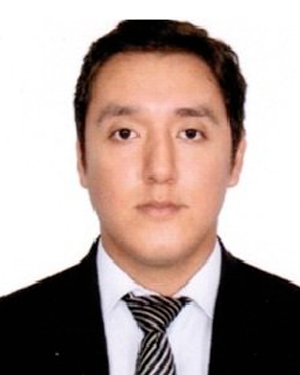
Mi nombre es Erick Valdez soy gerente de la gestora comercial LINFARMET, gerente comercial de la Agencia comercial Marítima Delfín ,Gerente de proyectos y promotor del SIMA , además de Presidente de GLOBAL BUSINESS GLOBAL BUSINESS COMMUNITY S.A.C y quiero esta oportunidad dar a conocer la realidad de las entradas de embarcaciones pesqueras extranjeras al pais , en mi calidad de Peruano y gestor comercial de actividades marítimas de embarcaciones extranjeras en el país digo :
For a vessel to enter the country, it must first announce its reason for entering Peruvian maritime territory. This can be an emergency (subject to inspections by the relevant maritime authorities) or general maritime activities (including fishing activities and those indirectly related to fishing, as well as activities not related to fishing or research). According to current regulations, all fishing activities are regulated by the Ministry of Production concerning the products on board and the area in which fishing occurs within our jurisdiction. Otherwise, the management of these arrivals falls under the maritime authority as a commercial and/or maritime activity.
There is a requirement to install a satellite tracking system on foreign vessels. The question is how effective this has been in regulating the installation of this system for the artisanal fleet and whether it has had a significant impact. With this basis, can we propose a requirement and motivation for vessels that are merely passing through, not fishing? Can we hold them to the same regulations due to social pressure from this fleet? Are we refusing to participate economically in a non-fishing maritime activity based on unfounded comments? This creates a negative impact and an opportunity cost as we cannot control our fleet or establish control agreements. We know that all activities, including maritime ones, involve many industries that promote job opportunities and profits in a short time, but they shouldn’t adversely affect the national industry or the artisanal sector.
On the other hand, we should not solely rely on a limited artisanal fleet for the future of an industry that is under-resourced. We need to promote the creation of national industrial fleets to supply raw materials to the fishing industry, which adds value. Jobs are being lost and agencies are closing due to the control adopted by a small sector. Wouldn’t it be better to be competitive with an industrial fleet at sea to genuinely compete with other countries and mitigate unfounded claims that turn into speculation due to misinformation from the state?
Is the state aiming to generate value for just one industry or for the entire value chain? We Peruvians are not limited to one sector; we are involved in all of them, and this will be reflected in GDP indicators.
In some countries, standards have not yet been harmonized for implementation; we are only delaying what is beneficial for the country due to the unfounded opinions of a few, which is quite irresponsible.
Finally, while any activity can be well regulated, it will ultimately depend on the reader's perspective and judgment to see the greater good rather than interests that undermine the progress of a country.
The new technologies being proposed should be understood not just in terms of a product or service, but in all aspects to determine whether they affect the greater good or not.
We want to support the sustainable and eco-friendly growth of the Peruvian economy through port projects.