
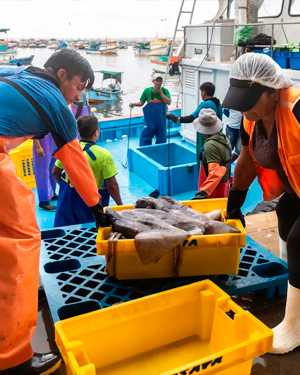
The scarcity of key marine species such as cuttlefish and squid has raised alarms in both the fishing industry and among environmentalists. The decrease in catches affects not only local fishermen but also marine ecosystems and economies that depend on these resources. In this article, we analyze the main causes of the decline of these species and their consequences.
Overfishing is one of the main causes of the decline in cuttlefish and squid. In recent years, the international demand for these species has increased, leading to excessive fishing efforts that do not allow enough time for populations to recover.
Climate change also plays a crucial role in the scarcity of these species. Variations in water temperature and changes in ocean currents affect the reproduction and migration of these species. For example, warming waters can cause squid populations to migrate to cooler areas, moving away from regions where they have traditionally been fished.
The scarcity of cuttlefish and squid impacts the marine food chain. These species are important predators, and their absence can disrupt the ecological balance, affecting other species that depend on them, such as seabirds and marine mammals.
For the fishing industry, the decline in catches of these species represents a significant economic loss. Coastal communities that rely on cuttlefish and squid fishing are impacted, and the lack of sustainable management could lead to a deeper crisis.
The scarcity of cuttlefish and squid is a multifactorial problem that requires a comprehensive approach for its solution. The implementation of sustainable fishing policies, scientific research, and international cooperation will be essential to ensure the preservation of these species and the health of the marine ecosystem.

We want to support the sustainable and eco-friendly growth of the Peruvian economy through port projects.