
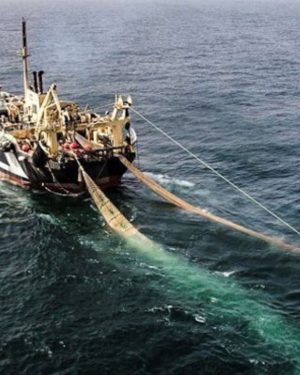
In recent years, various media outlets and organizations have discussed the potential labor exploitation on foreign fishing vessels, especially those operating in international waters. However, it is important to examine the veracity of these claims. This article aims to analyze the facts and review research on labor conditions on these vessels, highlighting efforts to improve the situation.
Concerns about labor exploitation arose from reports revealing cases of forced labor on vessels in the Pacific Ocean. These allegations have highlighted labor abuses, but it is also essential to recognize that many workers enjoy acceptable conditions and that regulations are in place to protect their rights.
Various non-governmental organizations (NGOs) and international bodies such as the International Labour Organization (ILO) have conducted audits and studies on offshore labor. In Peru, the Ministry of Production (Produce) has carried out investigations to verify these allegations and ensure that labor standards are upheld.
Although serious cases of exploitation are not common on vessels operating in Peruvian waters, there are areas that can be improved. Stricter standards for workplace safety and health are being adopted, and efforts are underway to ensure better oversight of working hours.
It is essential to continue monitoring the situation to ensure compliance with labor laws. While there is insufficient evidence to support the existence of systematic exploitation or slavery on foreign fishing vessels in Peru, constant oversight and international collaboration are crucial to prevent any potential abuse and promote a fair working environment.

We want to support the sustainable and eco-friendly growth of the Peruvian economy through port projects.